_forumlogo.png.a607ef20a6e0c299ab2aa6443aa1f32e.png)

Jim Alfredson
-
Posts
12,732 -
Joined
-
Last visited
-
Days Won
1
Content Type
Profiles
Forums
Events
Blogs
Everything posted by Jim Alfredson
-
Listening tests are the only way to verfy that a certain psychoacoustical codec is producing a result that sounds the same as the uncompressed source. I was not referring to anectdotal information. I would think the best way to do that is to do a null test on the compressed audio and the uncompressed audio.
-
Yes, I can do it. Send me a private message.
-
Goodness. I can't imagine. If you cannot hear a difference, then what does it matter if there is one or not? Just enjoy the music. It's not like the RedBook CD format was some kind of subversive plot by a secret cadre of engineers and the mp3 is their latest foil against human harmony. Don't start going all 432Hz on me, now.
-
No, there is not. Once those samples are converted back into the analog domain, there is no difference if the sample rate is high enough. And for 99.9% of music, 44.1kHz is high enough. Just to re-iterate, that's 44,100 samples per second. The human brain is simply not capable of differentiating those individual samples. All higher sample rates do is raise the Nyquist limit to sample higher frequencies above human hearing. Whether this matters or not is subjective. I remain as skeptical of accepting what the brain "can't do" as I am of what the brain "could do". It's like here, I have a brain, this is all I can measure it doing, so that's gotta be all it really is doing. Just as I don't want some trippo telling me my brain can make me grow wings to fly, I don't want no dullo telling me hey, this is all you can hear, so this all we're going to give you. There's a really simple way to solve the issue of what you personally can or cannot hear. You can do an ABX test. There is software available that allows you to do it yourself. You can load a hi-res mp3 version of a piece of music and a 24/96kHz wav file of that same music and see if you can reliably hear the difference while not knowing which is which. If you get better than 50%, then congratulations! http://theproaudiofiles.com/audio-perception-and-abx-testing/ Otherwise, without testing, you don't know. I do love the sound of tape for most things. But these days you can get that slurred transient, harmonic distortion, high-noise floor, magnetically compressed sound if you want with the simple addition of a plug-in. It really is incredible. And BTW, the engineers behind analog gear are guilty of the same imposition on the frequency range of their devices. So they are, essentially, telling you what you can hear as well. Just look at the RIAA curve on vinyl to see how engineers decided what constituted a nice compromise between fidelity and the amount of music you can fit on one side of a vinyl record.
-
No, there is not. Once those samples are converted back into the analog domain, there is no difference if the sample rate is high enough. And for 99.9% of music, 44.1kHz is high enough. Just to re-iterate, that's 44,100 samples per second. The human brain is simply not capable of differentiating those individual samples. All higher sample rates do is raise the Nyquist limit to sample higher frequencies above human hearing. Whether this matters or not is subjective. Keep in mind that if converted to digital specs, the bitrate of analog studio reel-to-reel tape is essentially 13bit (80db). The "sample rate" is effectively 40khz (depending on the tape and of course whether NR was used, most studio machines could go a bit over 20khz but not much). I think what a lot of people missed in the early days of CD was mainly the nice harmonic distortion that analog circuits with tape and transformers and tubes imparts on the music, but that can be added before the digital converters or in the box or afterwards. With digital, what you put in is what you get out.
-
The interesting part about this to me is that he (or rather Pono) has opened it's own music store. How does one get one's music on that store? I have 24bit / 44.1kHz files of organissimo albums ready to go.
-
I've been doing a lot of research on modern prog bands, since I am working on my own solo release within the genre. One thing I have noticed: There is an amazing array of incredible, technically adept musicians out there but the majority of them cannot write a good melody to save their lives. Say what you will about modern pop music, but those melodies are fun to sing and get stuck in your head. A lot of the melodies I'm hearing from these new prog bands are just weak; repetitive, limited in...
-
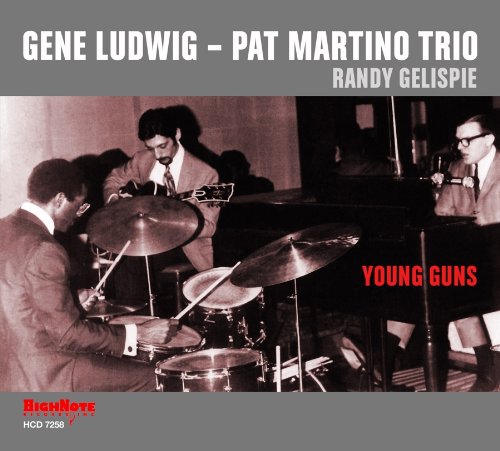
Young Guns - Gene Ludwig, Pat Martino, Randy Gelispie
Jim Alfredson replied to Jim Alfredson's topic in New Releases
Just a friendly bump. Got my copy today. It's bad-ass! Nice packaging, too. -
Going home to my beautiful girls. No rest for the weary. A full week of tunings and gigs ahead.
-
Thanks everyone. Almost $500 so far. I will be home tomorrow and will check the PO in the next few days.
-
Hey Dan, I have heard of this before but with the opposite cause; someone left a Privia in their car in Florida and the heat caused the same issue as you. I don't know if they ever resolved it. I would contact Casio about the issue. Do you know Mike Martin from Casio?
-
In the beginning the universe was created. This made a lot of people angry and has been widely regarded as a "bad move".
-
$1350.
-
It's that time! The last funddrive was in September and we're fine for now but starting next month I'll need some more bread to keep this place going. I figured I'd get a headstart on things rather than waiting until they threaten to shut-off the server. See, I can learn new things! Paypal: b3groover@hotmail.com Checks to: Jim Alfredson PO Box 27551 Lansing MI 48909 Thank you much!
-
Pattye Ludwig, Gene's widow, is offering these for sale direct for $15 plus $2 shipping. Contact her at pattyeludwig1@gmail.com. Yes, you can buy it from Amazon, but buying from Pattye directly puts more money in her pocket. She only has 25 copies, so get one now! This is an incredible collection of music, capturing a quintessential 1960s organ trio at the height of its powers. I've heard this before as a bootleg, but the new remastering is fantastic and it sounds really great. Pat Martino is at his intense best. Randy Gelispie (who is still playing and indeed is on my latest release, Jim Alfredson's Dirty Fingers - A Tribute To Big John Patton) shows why he's one of the most underrated jazz drummers alive today, and Gene Ludwig is absolutely on fire. From the blurb on Amazon: "From Pat Martino's private collection, here is a mid-1960s live gig featuring the B-3 artistry of Gene Ludwig and drummer Randy Gelispie. Rarely, if ever, have these artists played with more inner fire, more unbridled virtuosity and pure unadulterated joy as they did here, captured in the full bloom of their musical youth. Pat Marino's burning swing and impovisational wizardry takes on added zip with Gene Ludwig manning the B-3. With the colorful, propulsive drummer Randy Gelispie driving things along, this is one gig which surely deserves a "legendary" epithet."
-
Evidently, not much. http://www.tomshardware.com/reviews/high-end-pc-audio,3733.html