_forumlogo.png.a607ef20a6e0c299ab2aa6443aa1f32e.png)

Rabshakeh
-
Posts
7,655 -
Joined
-
Last visited
Content Type
Profiles
Forums
Events
Blogs
Everything posted by Rabshakeh
-
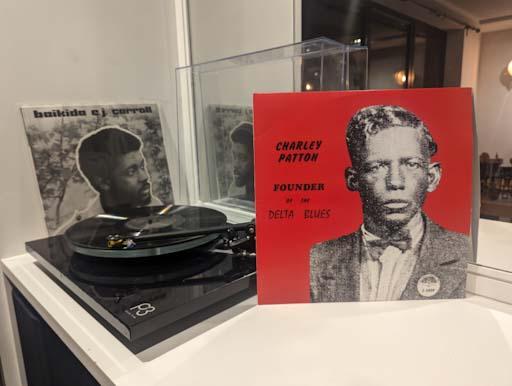
Charley Patton - Founder of the Delta Blues
-
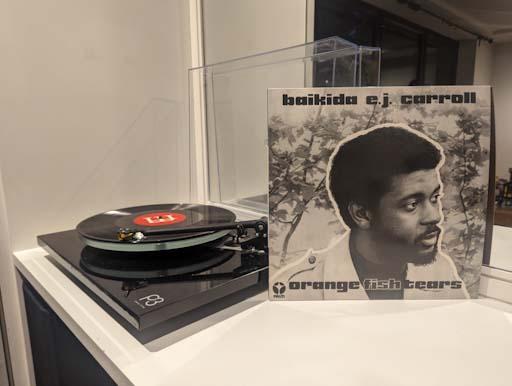
Baikida Carroll - Orange Fish Tears
-
Loverly
-
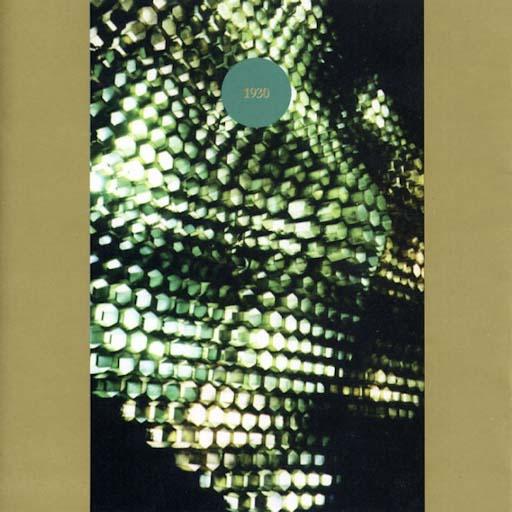
Merzbow – 1930 Playing this to my oblivious children.
-
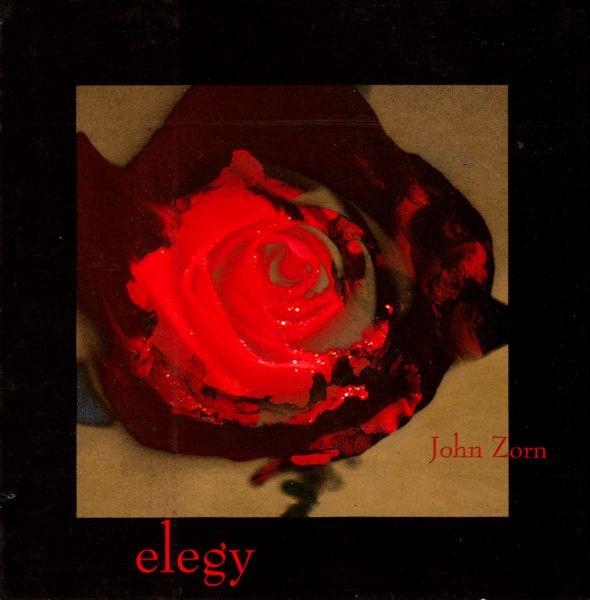
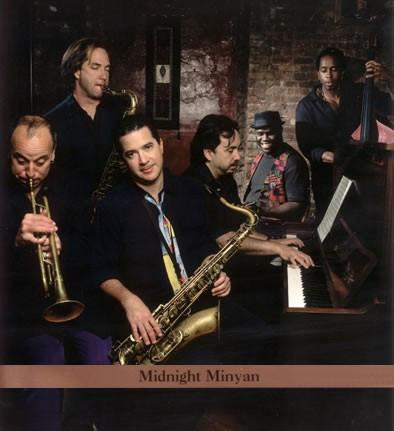
John Zorn – Elegy I liked this one as a kid but hadn't listened to it for around 20 years. Listening now it just seems pointless and arid. I have this on my list. Midnight Minyan is a bit of a fail, I thought. It looked promising. In contrast to a lot of the Radical Jewish Culture stuff (Bernstein is the exception, and my favourite from the series), it is actual traditional tunes from Jewish liturgy. And there are some good musicians there, but I found it disappointing. The version of "Etz Chain He" is good and there is a tune dedicated to Lester Young that is at jazz level. But otherwise it is very straight and there is not really much in the way of actual quality moments. He's also on that Daniel Zamir / Satlah album that I posted above, which is quite interesting. Alto trio playing Jewish folk and older Israeli pop tunes, with a saxophone choir in conversation with it. The playing is a bit one dimensional but it is very exciting. A sort of Chassidic / Dabke hybrid. Again, it helps that the underlying tunes aren't mawkish 'explorations of heritage' but actually are the original classics from that heritage.
-
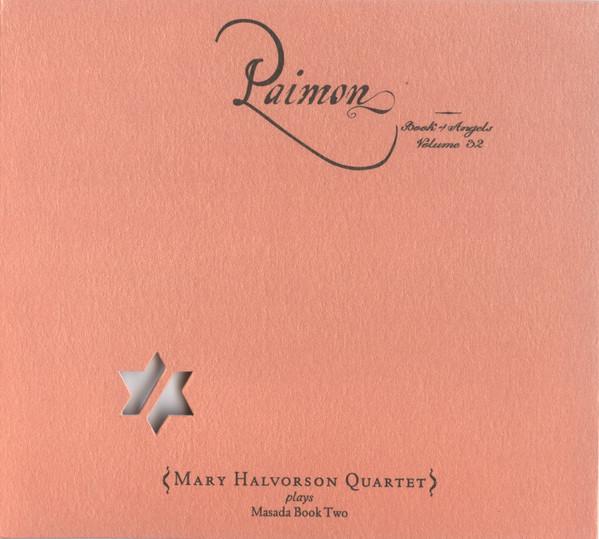
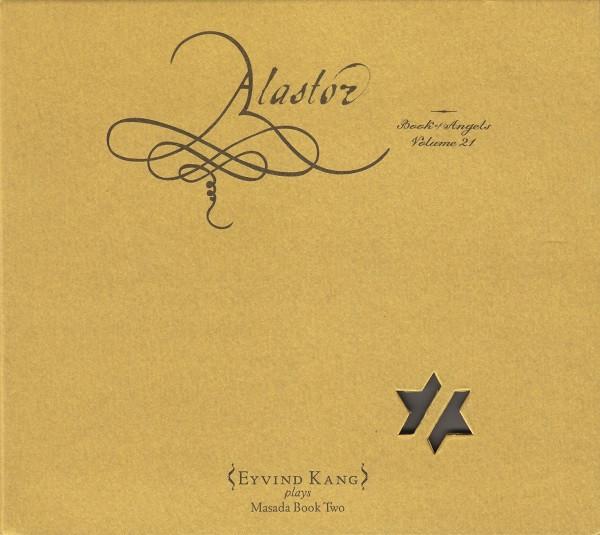
I wasn't that impressed by the record. There were two tracks where there was a good meeting of minds "Rachmiah" and "Ruhiel" but otherwise just Halvorson noodling at speed, I thought. I like Halvorson when I like her, and I think she is good with brass orchestration (of which there is none here). But there's a lot of Halvorson that I think is boring and uninventive. I am pleased that she is a part of the current jazz scene, and she is always worth paying attention to, but for me her playing is an either/or thing on a project-by-project basis. This was one I didn't much enjoy. Overall, I am not that impressed with the second Masada book/ Book of Angels stuff. I just think that the underlying compositions are much weaker to start with than the original Masada material. They feel tossed off and unconsidered. I love the idea of so many varied styles being applied to a set pool of compositions, but the pool needs to be tighter to start with, I think. I'd have preferred it if it was the same tunes that the original Masada group and Bar Kochba records had used. The Kang was more interesting, at least in parts. It seized on the bit of Zorn's more recent (Circle Maker onwards) writing for small group strings that I like the least, which is the (to my ears) Cairene monophonic string arrangements that he often resorts to. But Kang uses Moog orchestra synths and brass and woodwind orchestrations to make it into a retro-futurist thing that I found interesting, at least on a few tracks. Worth checking out, if you haven't previously. I'm not otherwise a fan of Kang at all.
-
I think that this is a good point. I wonder how much more broadly this could be applied? Matthew Shipp wrote a Facebook post years ago comparing jazz to professional wrestling (he is a fan). To summarise / paraphrase, in jazz as in wrestling, everyone needs his or her gimmick (i.e. a persona), and it has to "go over" with the marks (convince the fans, with necessary suspension of disbelief).
-
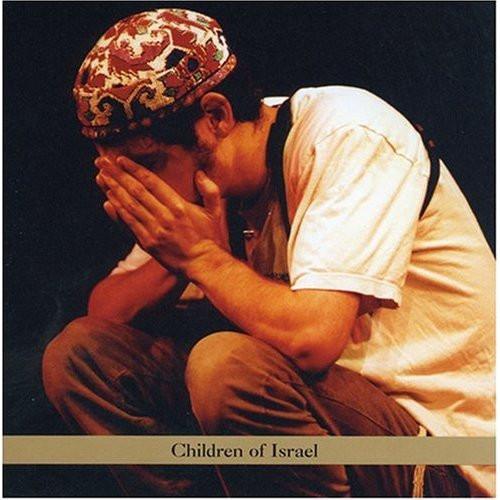
Daniel Zamir / Satlah – Children Of Israel
-
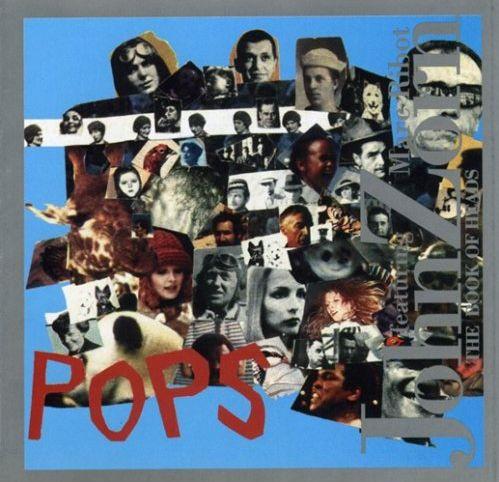
John Zorn – Mary Halvorson Quartet – Paimon (Book Of Angels Volume 32) John Zorn Featuring Marc Ribot – The Book Of Heads Paul Shapiro – Midnight Minyan John Zorn - Eyvind Kang – Alastor (Book Of Angels Volume 21) First listen to all of these. I'm probably least underwhelmed by the Kang one.
-
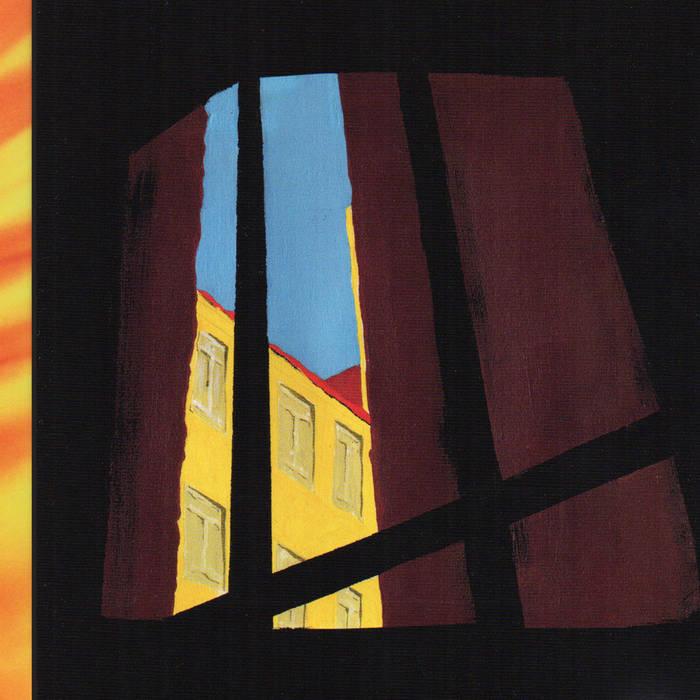
Keith Rowe / Axel Dörner / Franz Hautzinger - A View From The Window
-
I am of the view that there are 613 Masada pieces because by the end of the third book Zorn had got up to roughly 600 and decided to compose a couple more to match the traditional count of 613 mitzvot, and then to stop there. I don't think there is any real link between the Masada pieces and the mitzvot other than that. The initial book was meant to be just 100 songs, and the original Masada pieces just have rather random Hebrew and Aramaic titles, which don't have any recognisable connection to the mitzvot that I can see. So it just looks like Zorn's picked that number for convenience, at least to me. It he'd written 365 or 248 tunes (other traditional counts) he'd have picked those, presumably. I don't see the connection to Atbash (which I think is an ancient cypher rather than a form of gematria), save that it's the sort of thing Zorn might title a song.
-
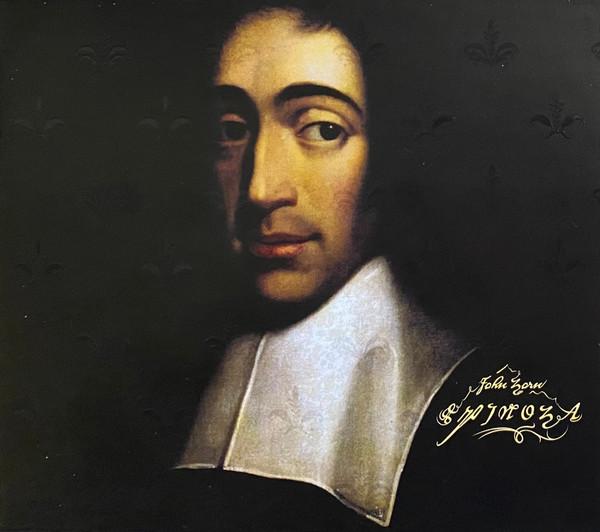
John Zorn – Spinoza I really get very little out of this one.
-
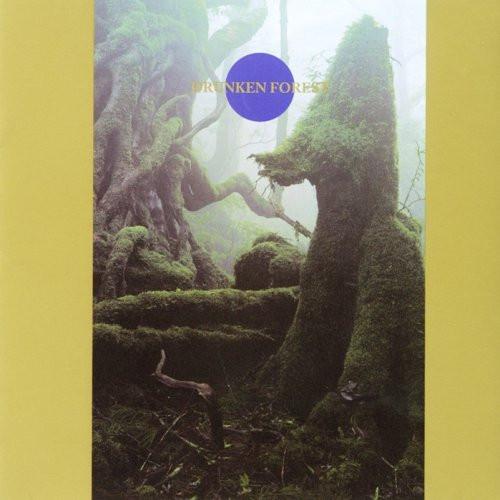
Death Ambient – Drunken Forest (Tzadik 2007)
-
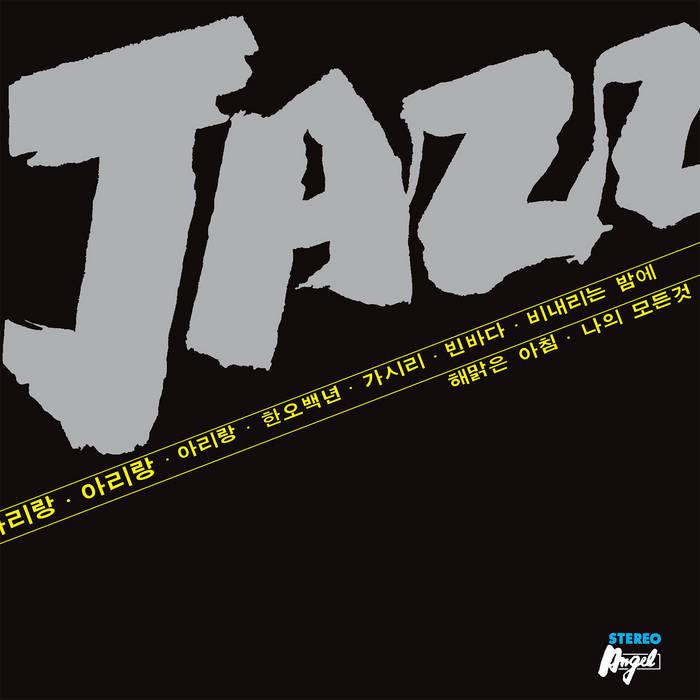
Lee Pan Geun & The Korean Jazz Quintet '78 – Plays Arirang & Other Assorted Classics Taking a break from Zorn and Tzadik. Lucky. It sounds like it was a good one.
-
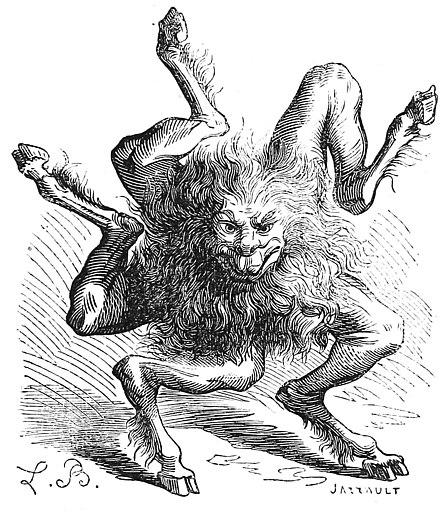
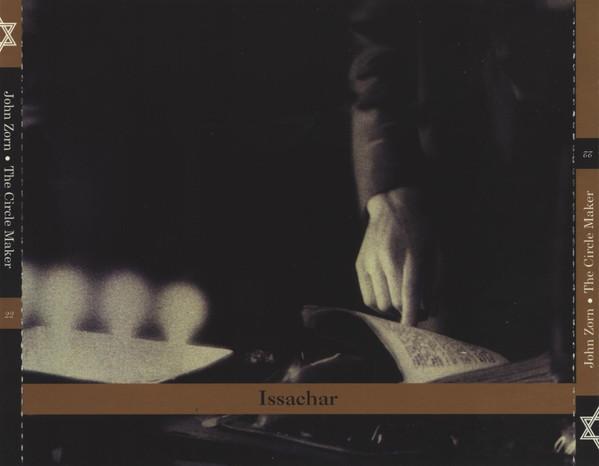
I agree with you. What even are these mystical concepts? It's just a nothing. Zorn wants to write some tunes so he picks a number from mythology and writes that many, then gives them all names to correspond. It don't signify nothing. In case you want to know about Buer, this is what he looks like: Cheeky chappy. Looks like something Dr. Seuss would have just left out. John Zorn – The Circle Maker I'm less impressed by this one than I was with Bar Kohkba. The arrangements are samey and sometimes I think even a little kitsch, and there's too much of it, without the variety of the earlier record. Again, what is the name about? Choni the Circle Maker was a rain making miracle worker in ancient Judea with whom the early Rabbis had a difficult relationship. Zevulon and Issachar were two sons of Jacob who in Jewish lore had an archetypal supportive relationship. Nothing to do with the legends about Choni at all. It's just picking nonsense terms.
-
I never understood the album art. What is it meant to be? So many great CTI covers and Desmond just gets this.
-
Marc Ribot - Asmodeus: Book of Angels Volume 7
.jpg.af2831dae6574129958e4d10c5448685.jpg)
-
Thanks
-
I haven't heard any of these. On my list to try are Alastor, Astaroth, Ipos, Stolas and Xaphan. Any other great ones that I have missed. Also on the list is Hod from the Book Beri'ah. Any recommendations for that "Book" also welcome. I really find the names of these things contrived. For anyone not familiar with Judaism, they're just a random assortment of names and technical terms. A mainstream Western equivalent to a Masada setlist would be "First", "Salvation", "Tort Law", "Vespers", "Leviticus", "Purgatory", "Augustine", "Baltimore", "The Divine Comedy", "Catechism", "Quietude", etc etc etc and on and on.
-
I wondered at that. It might just be a dump of files with intent to sort out later. Interesting what isn't up yet. For some reason the Masada live records are all there, but not the studio records. I got very excited about this last night. So much good music suddenly available. I don't tend to buy albums unless I've listened to them and like them already, so this is like a sudden explosion of new music for me.
-
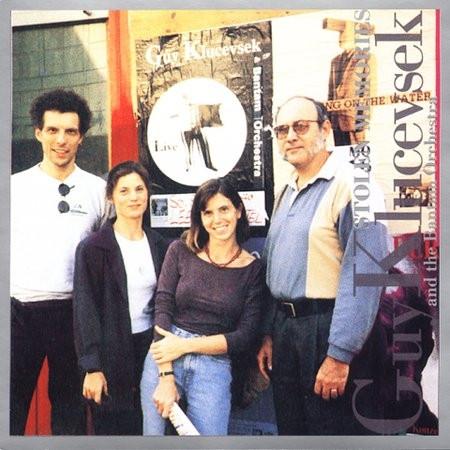
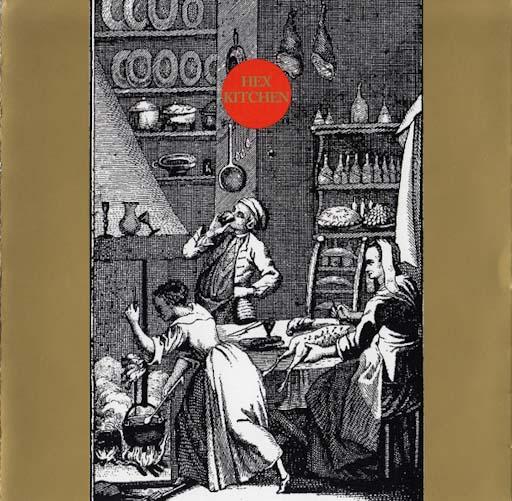
Guy Klucevsek And The Bantam Orchestra – Stolen Memories Ikue Mori – Hex Kitchen
-
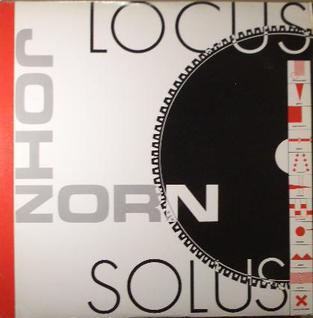
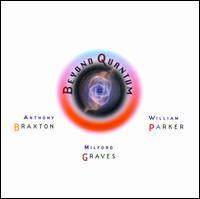
John Zorn - Locus Solus I came to Zorn and his NY chums so many years before discovering other forms of improvisation from the 1980s that it hadn’t really occurred to me before that he chronologically came up as part of the second gen of free improvisers, like Beresford, Toop and Kondo. Anthony Braxton, Milford Graves, and William Parker - Beyond Quantum (Tzadik, 2008) I’m less impressed by this one than I had hoped it might be. I tread quite carefully with both Braxton and Parker, and here they do seem to be simply producing more of the same, at least to my ears. You can normally rely on Graves to shake that out of someone, but not always, I guess.
-
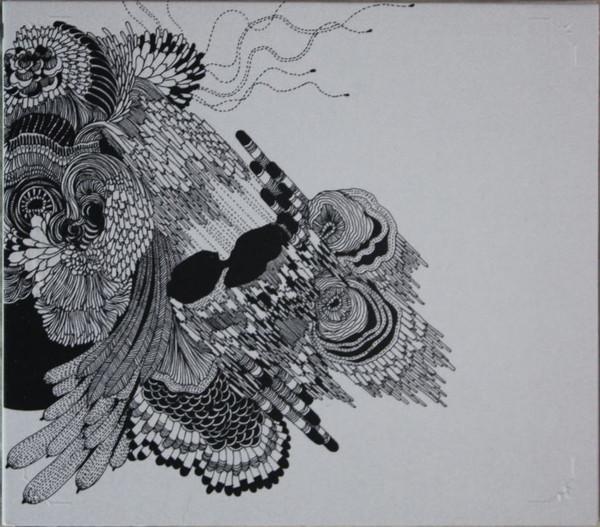
Okkyung Lee – Cheol-Kkot-Sae (Steel.Flower.Bird)
-
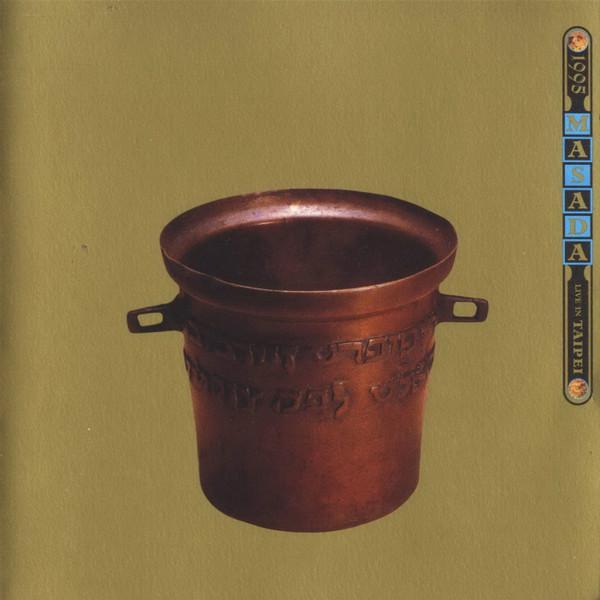
Masada – Live In Taipei 1995
-

Epic Games Sells Bandcamp Amid Layoffs
Rabshakeh replied to rostasi's topic in Miscellaneous - Non-Political
I presume they bought it, ran into funding issues with their loans and then sold it on to keep interest down.