_forumlogo.png.a607ef20a6e0c299ab2aa6443aa1f32e.png)

Rabshakeh
-
Posts
7,655 -
Joined
-
Last visited
Content Type
Profiles
Forums
Events
Blogs
Everything posted by Rabshakeh
-
Thanks! Those look really interesting records. This Mayer is the closest I've heard of him to a leader so it was interesting to hear. I'll dive in.
-
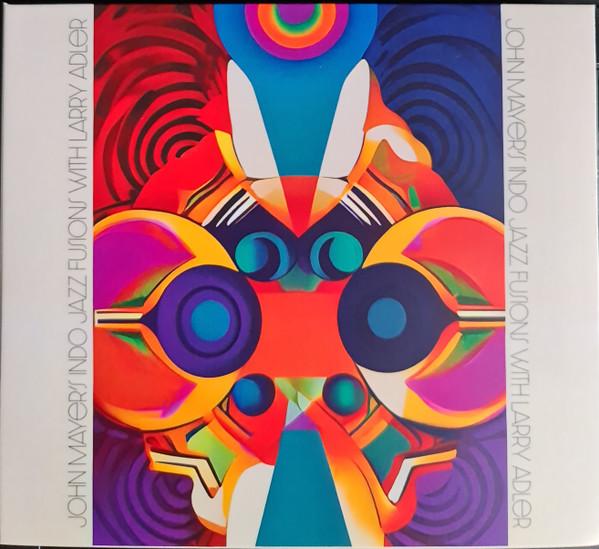
John Mayer's Indo-Jazz Fusions With Larry Adler – Indo Jazz Fusions I never really thought of Stan Sulzmann before, although I've seen his name on a number of British jazz records from the era. Did he have any good leader dates?
-
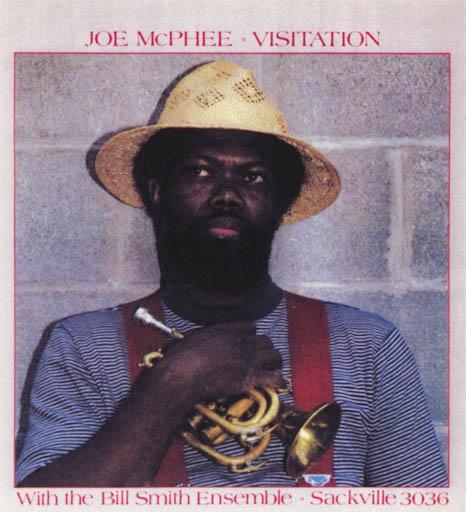
Joe McPhee With The Bill Smith Ensemble – Visitation (1985)
-

Great Post-War big band swing records (No Basie / Ellington)
Rabshakeh replied to Rabshakeh's topic in Recommendations
This is absolutely great, and I look forward to it! I similarly often find myself drawn to the fill in the story where I think the generalised narrative has ignored or obscured what was going on. I tend to find that the music that sits in those gaps is easily the equal of whatever was going on elsewhere. -
Great Post-War big band swing records (No Basie / Ellington)
Rabshakeh replied to Rabshakeh's topic in Recommendations
That would be amazing. I would love to hear more. No need for speed. The thread is a little diffuse at points. That is my fault for not setting proper parameters at the start, and then getting excited when everyone has been pitching in with great recommendations. Definitely, what I am looking for is recommendations of LPs* by post-WW2 swing big bands. They needn't be immediately post-war. R&B and bop influences or inclusion of modernist-leaning players is all absolutely fine. At a push, swing can also include 'dance' bands, if they otherwise fit or are interesting to you. Basically, what I am saying is that I think your suggestions up-thread sound like exactly what I am looking for. * By "LPs", what I mean is either something issued on a long player of some sort at the time, or at least in a historic and now-standard collections issued originally on single or double LP. Vinyl or not vinyl is less important to me than running time and historical 'presence'. I personally find it very hard to listen to or digest 5CD retrospective box sets of singles, even if that is sometimes the name of the game for music issued before the mid 50s. Thanks for this. This is great stuff. Thank you for taking the time to put all of this down. -
How is this?
-
I like Questlove.on the Philadelphia Experiment. Otherwise I've never been impressed. I think it's a halo from his time in Roots.in effect.
-
Great Post-War big band swing records (No Basie / Ellington)
Rabshakeh replied to Rabshakeh's topic in Recommendations
These look bang on. Thank you. -
Anthony Braxton - 23 Standards (Quartet) 2003
_2003.jpg.1af8a75281513442b4aa65088ac11ac5.jpg)
-
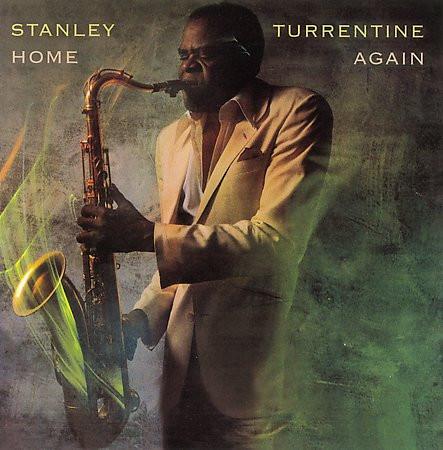
Stanley Turrentine – Home Again (1982)
-
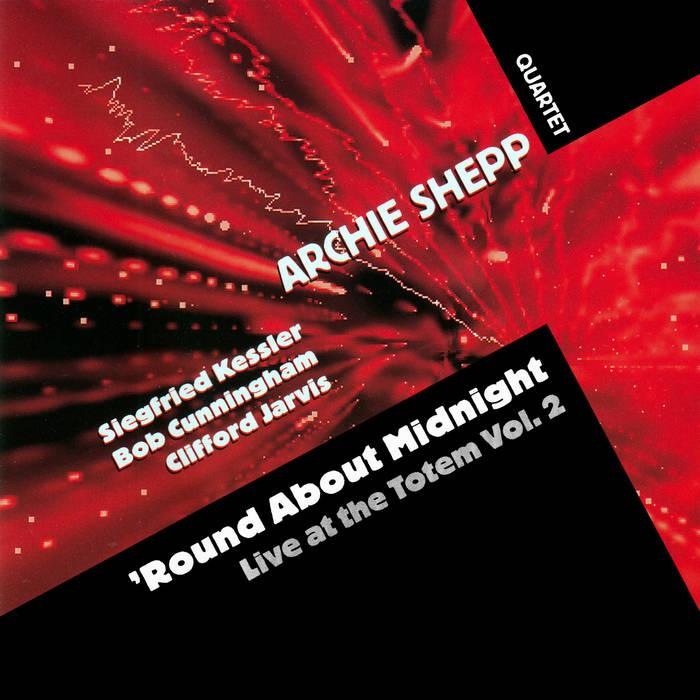
Round About Midnight / Live at the Totem, Vol 2
-
Great Post-War big band swing records (No Basie / Ellington)
Rabshakeh replied to Rabshakeh's topic in Recommendations
The Buddy Rich stuff is definitely in there. We were talking about it recently, and that's one of the things that led me to that Auld record. Do any Lionel Hampton or Illinois Jacquet big band records measure up? I know Hampton's earlier singles, and Jacquet's smaller group records. Jimmy Wales. The Wikipedia guy. Keeps a lower profile than Elon, Big Jeff and Zuck. -
Great Post-War big band swing records (No Basie / Ellington)
Rabshakeh replied to Rabshakeh's topic in Recommendations
Oh. Okay. Wikipedia recommending them, then. Thanks Jimmy. -
Great Post-War big band swing records (No Basie / Ellington)
Rabshakeh replied to Rabshakeh's topic in Recommendations
They look interesting. Is there an exotica / jazz subgenre for big band records about cityscapes? -
Great Post-War big band swing records (No Basie / Ellington)
Rabshakeh replied to Rabshakeh's topic in Recommendations
City Pop. Are the underlined ones recommended? -
Great Post-War big band swing records (No Basie / Ellington)
Rabshakeh replied to Rabshakeh's topic in Recommendations
I do not, although I love TV Action Jazz, so will certainly check this out. One of my wife's favourite records, there. Good suggestion. I'll give it a listen. -
Great Post-War big band swing records (No Basie / Ellington)
Rabshakeh replied to Rabshakeh's topic in Recommendations
I mean, they were all great records. -
Great Post-War big band swing records (No Basie / Ellington)
Rabshakeh replied to Rabshakeh's topic in Recommendations
I just mean that if the band has some bop / progressive edges, that's fine; likewise R&B, or even electric edges. It doesn't need to be preserved in time. But the bop big band stuff I have a reasonable handle on. Obviously these distinctions are not always easily made. -
Great Post-War big band swing records (No Basie / Ellington)
Rabshakeh replied to Rabshakeh's topic in Recommendations
These are great big band records, but not so much in the swing category. -
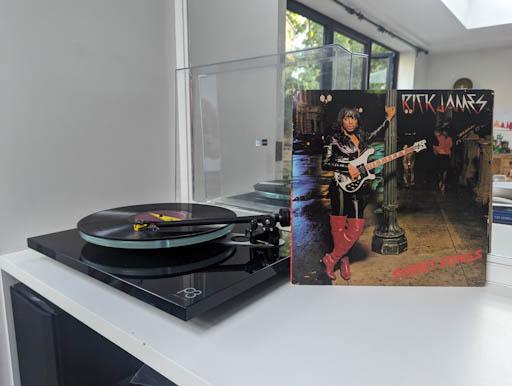
Rick James – Street Songs (1981)
-
Great Post-War big band swing records (No Basie / Ellington)
Rabshakeh replied to Rabshakeh's topic in Recommendations
Just read all of that. I feel vaguely dizzy. -
Great Post-War big band swing records (No Basie / Ellington)
Rabshakeh replied to Rabshakeh's topic in Recommendations
What's Sauter / Finegan? The others I know. Probably more in the modernist camp, and more frequently discussed (especially Quincy!) Thank you! -
Great Post-War big band swing records (No Basie / Ellington)
Rabshakeh replied to Rabshakeh's topic in Recommendations
Terry Gibbs I know. Great example of this sort of music. For some reason Gibbs is more in favour than other contemporaries, and I've seen his records posted here and elsewhere with reasonable frequency. This is stuff I see in the bins all the time, next to the equally unloved but slightly more navigable jazz vocal records. Thank you, as always. -
Great Post-War big band swing records (No Basie / Ellington)
Rabshakeh replied to Rabshakeh's topic in Recommendations
What is futurist / jazz leaning big band? I'm pretty intrigued. Do I need to start another thread? Thanks! -
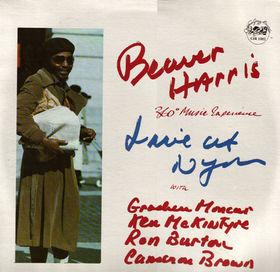
Beaver Harris 360° Music Experience With Grachan Moncur, Ken McIntyre, Ron Burton, Cameron Brown – Live At Nyon (1981)