_forumlogo.png.a607ef20a6e0c299ab2aa6443aa1f32e.png)

Rabshakeh
-
Posts
7,654 -
Joined
-
Last visited
Content Type
Profiles
Forums
Events
Blogs
Everything posted by Rabshakeh
-
I toyed with comparing him to Phil Woods in my initial post, but I thought that I would get yelled at if I did, so steered clear. His playing seems very much in Woods' style. Perhaps honed for the tastes and support of the more conservative mid-70s / early 80s jazz kids who were getting tired of the current trends, only to get chucked out and forgotten when the mid 80s hit with an actual commercially driven conservative jazz revival. I think my imagination was piqued by Keeper of the Flame, which seems like a funny little manifesto, with its on the nose title, mocking of free jazz, and weird cover photograph. That record is pretty enjoyable, even if it is not ever going to make it to any human being's desert island.
-
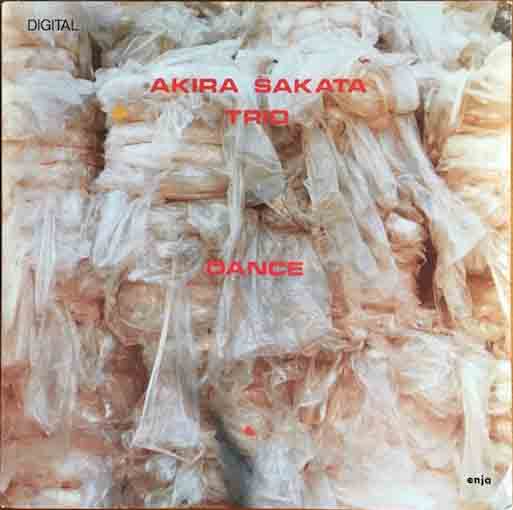
Akira Sakata Trio – Dance (Enja, 1982)
-
It was the second anniversary of Cole's death recently and there's been a bit of chat about him on social media. There are various bitty threads on here about this album or that album, but I don't think any one page. I don't really know anything much about Cole. I know Keeper of the Flame and the Battle of the Saxes record that he did with Eric Kloss, but nothing else. Both are enjoyable, with a kind of 'mid week show at the jazz club' feel to them. He seems to have had a sense of humour, and to have been a well known figure in the 70s and 80s, but by the time I started listening to jazz in the late 1990s seems to have disappeared from view entirely. That's true of a lot of bop figures from the 70s, but with Cole I don't remember even hearing of his name until his death. Who was Cole, career and playing wise? Are there any albums that people recommend by him?
-
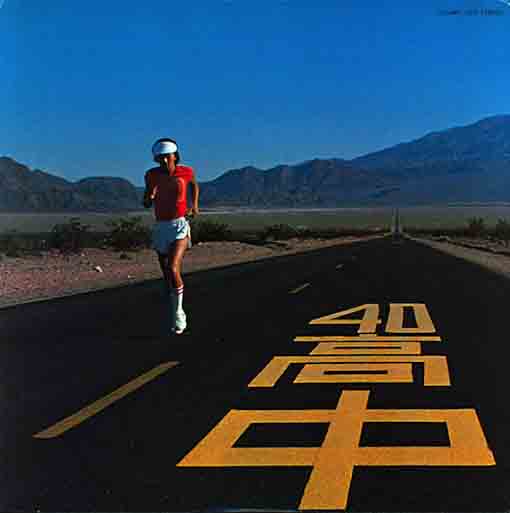
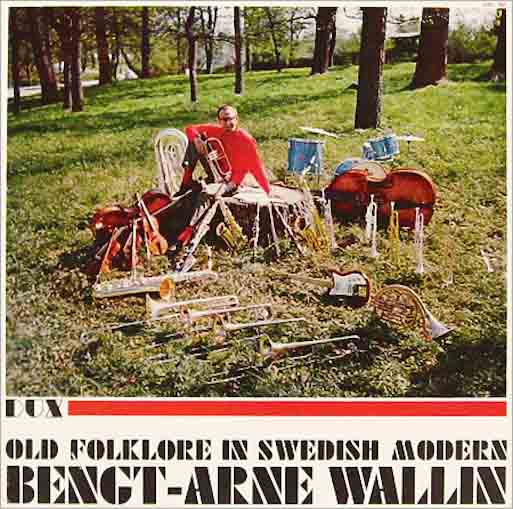
Masayoshi Takanaka – An Insatiable High (Kitty, 1977) I've just finished streaming this one: Bengt-Arne Wallin – Old Folklore In Swedish Modern (Dux, 1962) This really hit me when I first heard it, and is doing so again. Roughly Gil Evans inspired but with other jazz and non jazz big band idioms intruding.
-
I recently got a 1985 Candid reissue LP of Mingus Presents Mingus. It sounds really muddy and poor. Is this a notoriously weak pressing of it, or do all versions sound like this?
-
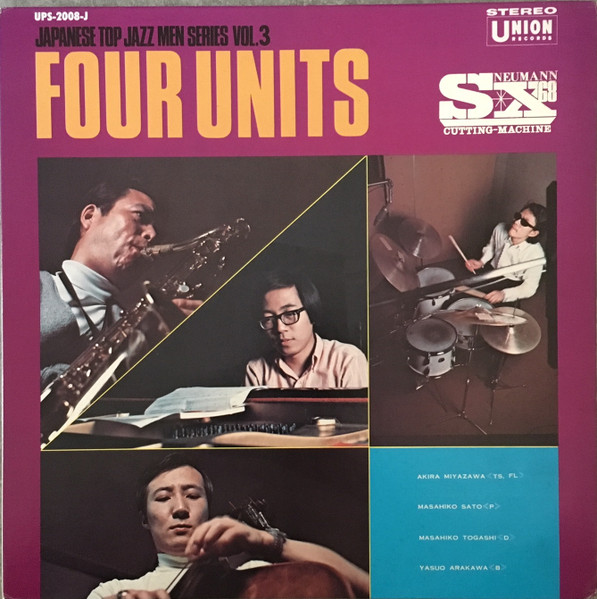
Akira Miyazawa and Others– Four Units (Union, 1969)
-
Supposedly it is very popular in jazz schools at the moment. I'm not sure where I heard that. Possibly here.
-
Good to see it!
-
Pee Wee Russell With Buck Clayton – Swingin' With Pee Wee (Swingville, 1960)
-
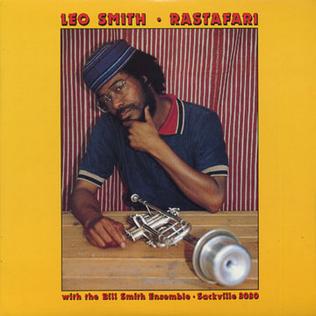
Leo Smith - Rastafari (Sackville, 1983)
-
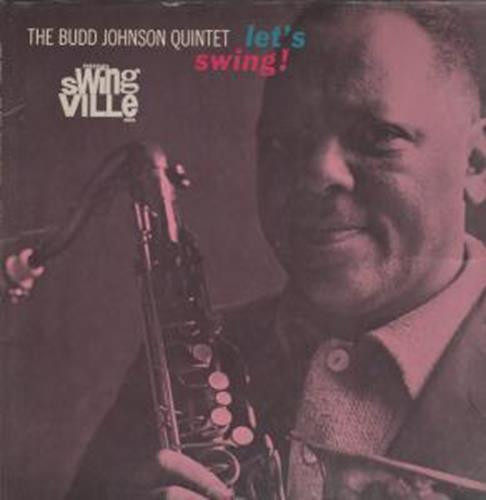
The Budd Johnson Quintet – Let's Swing (Swingville, 1960) I really hadn't noticed Budd Johnson until a post someone made in February of the Jimmy Rushing / Earl Hines record. I can't believe how great he is.
-
 Hi. I might be in Minneapolis in June. I'm not sure how long I'll have free, but if I have an hour or two I'd definitely like to go vinyl shopping. Are Electric Fetus and Hymie's still the better places to go for used jazz vinyl?
 -
I'm buying that the day the crowdfunder email comes in.
-
There's always another to listen to!
-
Nice Day's my favourite, but Man of Many Parts probably comes second.
-
Still not a fan?
-
That's serious talk.
-
Apparently the issue with the record player was that one of the coloured wires at the back of the stylus that was bent down, preventing the needle making contact. Nothing to do with my stylus, bearded, toupeed or otherwise, it turns out.
-
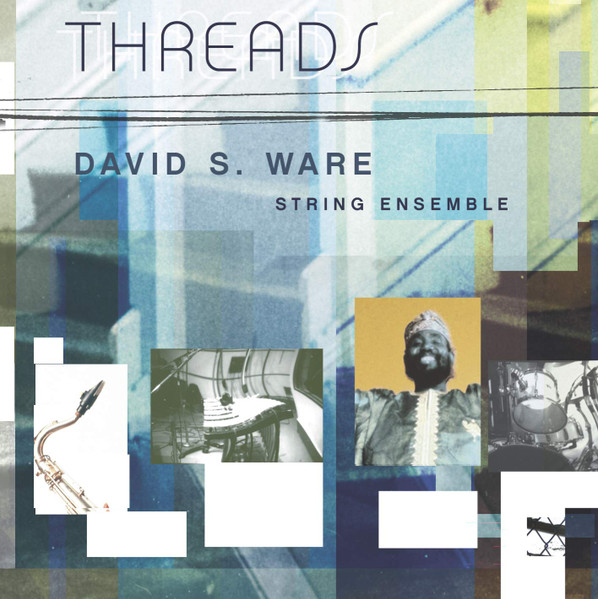
David S. Ware String Ensemble – Threads Weird how superficially Garbareky this record is.
-
What rock music are you listening to? Non-Jazz, Non-Classical.
Rabshakeh replied to EKE BBB's topic in Miscellaneous Music
Emperor - Anthems to the Welkin at Dusk (Candlelight, 1997)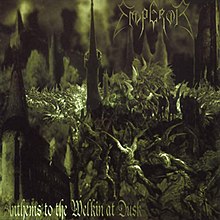
-
First I've heard of the label. I thought he was excellent tonight (I was at the later show). I've never been mad on his leader records though. Let us know if any of the others shine. A limited haul for me. Just: https://abbaarsighennemanwig.bandcamp.com/album/songs
-
Thanks
-
What is it called?
-
Thanks. It is a great record. I know it well. I just never found it in a shop for some reason.
-
Sam Rivers - Crystals Just bought it from Yoyo on the Hackney Road, where I am apparently known as "Joseph Free Jazz". (My name is Joe. So it isn't a random thing. I am still very pleased with my new nickname.)
.jpg.938f8311560cd9856f285ef6f1cf1a8d.jpg)