_forumlogo.png.a607ef20a6e0c299ab2aa6443aa1f32e.png)


Rabshakeh
-
Posts
7,652 -
Joined
-
Last visited
Content Type
Profiles
Forums
Events
Blogs
Everything posted by Rabshakeh
-
Billy Larkin and the Delegates - Blue Lights Red hot organ. Just had this on!

-
 Absolutely. Those are the friends you grow up with. Mine has a Henry and a Gordon for his Brio track. Off brand, I think Absolutely. Those are the friends you grow up with. Mine has a Henry and a Gordon for his Brio track. Off brand, I think There's a great bit in Graham Lock's Forces In Motion when Anthony Braxton suddenly starts getting excited over choo choo trains.
 -
Yup. I really associate that tune with jazz conservatism for some reason, probably because it is the first track on that (very good) Arthur Blythe record. I was surprised to see that Marsalis didn't cover it on MST because that's where I thought I first heard it as a younger, stupider and more standards-averse listener.
-
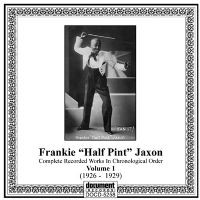
Frankie Half Pint Jaxon - Complete Recorded Works Something picked up recently from an Allen Lowe book I'm reading. Every tune a killer.
-
I did not know this. I did not mean to make light of it.
-
Brio for me. Sometimes the kids are allowed to play with it too
-
More the vibe. Sorry, I’m all over the place at the moment.
-
That Devilin' Tune: A Jazz History, 1900 -1950 by Allen Lowe.
-
What are these? I probably overstepped by including Moran in with the others. He definitely is different, and from a different generation too. I have found this an interesting read (having been at work all day since posting the original). The Very Serious trend in American piano jazz in the 90s/00s does have clear links to the ECM and European trends at the same time. It's not a style that we tend to discuss on this board. I started listening to jazz just as it was fading, and it's a period that I still don't know much about.
-
Great stuff. I can't get over how much older Stan Kenton looks like he should be hosting a dodgy mid 1980s British light entertainment show on ITV.
-
Looks good. East Axis - Cool With That (ESP, 2021) Some really touching playing on the third track "Social Distance".

-
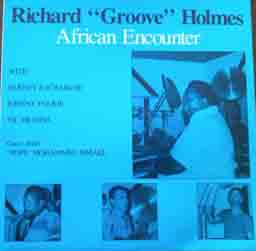
I've just finished this: I think it was a recommendation from Magnificent Goldberg a few weeks back.
.jpg.f3c567dc03f1da8a96c953e60cabb26e.jpg)
-
Modern in the sense of recent. Not in the sense of belonging to the modernist period. Mal's different though, isn't he? More repetitive and stylish. Less teenaged? Hills maybe in there. But he strikes me as having quite a lot going on: complex interweaving dissonances and Latin themes. I don't get that from Mehldau and Moran.
-
What is it that led to this bizarre question? Also, what do you mean by layout? A model trainset? Brio or adult? Or just a table of trainlines?
-
Brad Mehldau, the Bad Plus, Jason Moran. All given to moody broodiness of quite a specific, rather cold type. Not a lot of humour or stomp in there. Big Important Chords. There must be lots of other examples too. Where does this style derive from? Keith Jarrett, perhaps? Possibly Evans, but his style feels different. Wash over from Radiohead? Who were the progenitors? Do you still see this style as existing or was it a 90s/00s thing? Perhaps you don't hear the relationship. If so, feel free to call me tin eared.
-
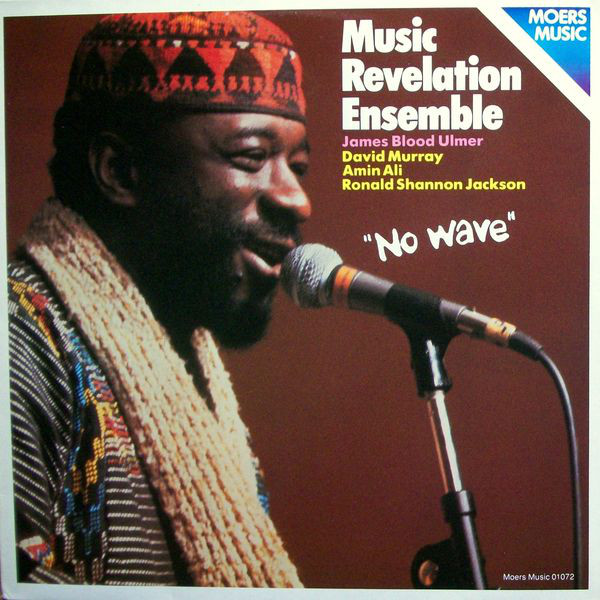
Some great German on this one.
-
As Hutch said above. We can stop any time we wanted to, right?
-
A ridiculous rumour.
-
No remorse at all.
-
He's a punchline, that's all. Like Rick Astley or Richard Gere.
-
So says the man who, come January, is going to cost me dear.
-
All of this seems to be litigating something long past. I remember Kenny G = Jazz jibes from when I was a schoolboy, but I have barely even heard Kenny G's name mentioned in years. He was a popular commercial artist 30 years ago and his music has not stood the test of time. From a cultural perspective he now barely exists. At most, he's a punchline about awful 1990s music.
-
Some great posts in this thread over the last day or two. Alot of stuff that I need to buy.
-
Club culture DJ classics but without the market value of e.g. soul 78s. That's my guess. None of which explains why LPs from these two genres always appear to have been stored underwater. This is one of the mysteries of the human condition.
-
We're spoilt as jazz fans. Second hand salsa records in good condition are a rare thing. All my salsa LPs are a wreck save for the reissues. Not as bad as reggae, but close.