_forumlogo.png.a607ef20a6e0c299ab2aa6443aa1f32e.png)

Late
-
Posts
5,337 -
Joined
-
Last visited
Content Type
Profiles
Forums
Events
Blogs
Everything posted by Late
-
Yes! Same album.
-
I need to do this again. Fall is definitely here (on the U.S. West Coast), and that means it's time to listen to Charles Brown.
-
Futura Bold. So that's where Mosaic got it from.
-
This album was my first exposure to Shad Collins. Very tasty trumpet player. I listened to the album on YouTube recently, went to look for the OJC...and realized I don't own it.
-
Listening to "Blues In The Closet" as I type. Excellent debut record. The trio sound like a working band.
-
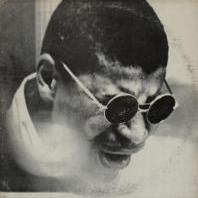
Whereabouts of Walter Bishop Jr with his cat "JJ" cover photog
Late replied to jujus7's topic in Discography
Apparently this cat—actually named "Walter Bishop"—is quite famous in certain online circles. -
Jazz Pianist with Cat on the Piano on Album Covers
Late replied to Teasing the Korean's topic in Artists
-
Vaughan with an obscure trumpet player, and an even more obscure conductor. 1984. Vaughan must have known who they were. The trumpet player has promise.
-
Quinichette came to play for this date. Though one of his keys keeps clicking (I'm guessing D?), he is undeterred. Love the way Quinichette bends a note.
-
Two years and eleven days later—another October—this one spins on the hi-fi.
-
Cool Yule
-
My experience too. I've never used their Proxy service, however.
-
I realized I didn't have this title in my collection. Purchased. I've had After Midnight for decades, but not this one.
-
Agreed. There are Japanese editions with all the tracks. From that Historical Series (vinyl) on Prestige, I do have the Benny Carter—it is really fine. Some of my favorite Carter.
-
Auction ends tomorrow. The description lists the tunes where Coltrane played alto (from a Gene Ammons date). Um, the horn (pitch?) doesn't sound so good to me on those tracks. Whenever I come across them, I always wish that Coltrane was on tenor.
-
Listened to the whole of this album—plus the two bonus tracks ("Conception" & "My Old Flame")—last night. Great bebop soloing. Blakey, a drummer I usually adore, weighs the proceedings down, in my opinion. (Miles scolds him on the album for not ending with band: "C'mon man, you know the arrangement!") Otherwise, the three horn players carry the day.
-
Based on this thread, I recently picked up this album on CD. The singing is fine. Still getting used to Riddle's work—I like it, but I'm not hearing all of it yet.
-
Wow! Thanks for sharing that link. I'd never heard Azar Lawrence with Elvin's working band before. He fits right in. I imagine, if he hadn't been with McCoy, Elvin would've hired him. I hope so, but I wouldn't be surprised if the Japanese market put out a straight reissue of the original set, as is. The edits, to my knowledge, trim about 10-12 seconds from just a few songs. One edit (the track "The Prime Element"), however, does trim over 2 minutes. It would be nice if the three "bonus" tracks mentioned above could be placed on this new 2-disc set. Fingers crossed! ============================= April 1, 1973 • "New Moon" Steve Grossman: tenor saxophone Azar Lawrence: soprano saxophone Gene Perla: bass Elvin Jones: drums Famous Ballroom • Baltimore, Maryland ============================== Holy sh*t—I've never heard Grossman play quite like this. Really, really fine.
-
Which Box Sets do You Regret Buying, and Why?
Late replied to northwood's topic in Mosaic and other box sets...
Exactly. I've made Lester Young "albums" (playlists) collected solely from alternate takes. It makes for interesting A/B listening with the "real" album. -
Tomeka Reid interviews Abdul Wadud. (With Joel Wanek.)
-
(Larry has! )
-
Just listened to this album in its entirety. It'd been a while—much better than I remember, particularly Miles' playing. Coltrane is still getting it together it seems—the ideas are there, but not always the execution of those ideas.
-
Elvin! I think this is one of Riverside's best-recorded albums.
-
Did he only make five covers for Prestige?
-
Cool and haunting at the same time. I like this one too: